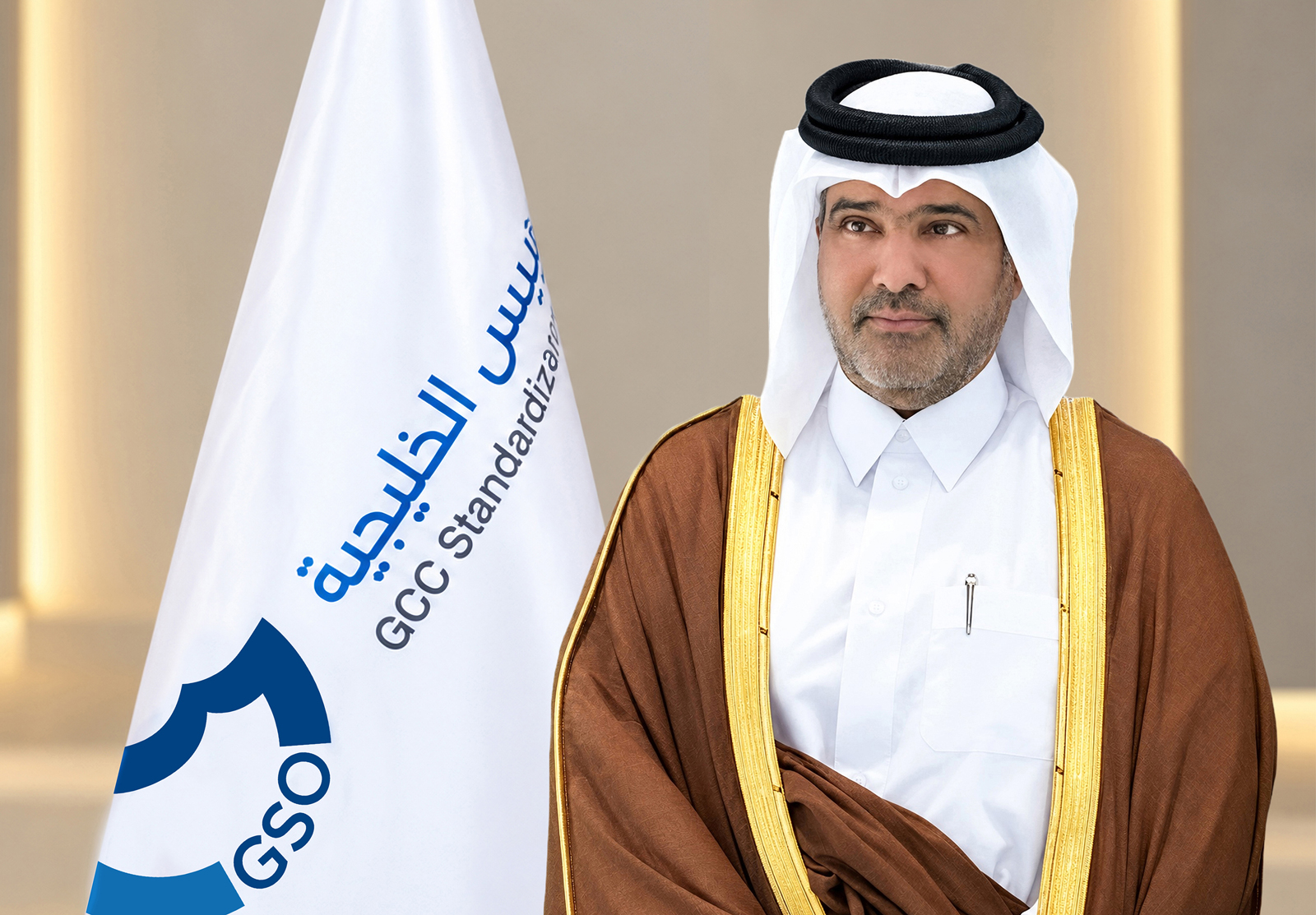
Speech by H.E. the President of GSO on the Occasion of World Standards Day 2026
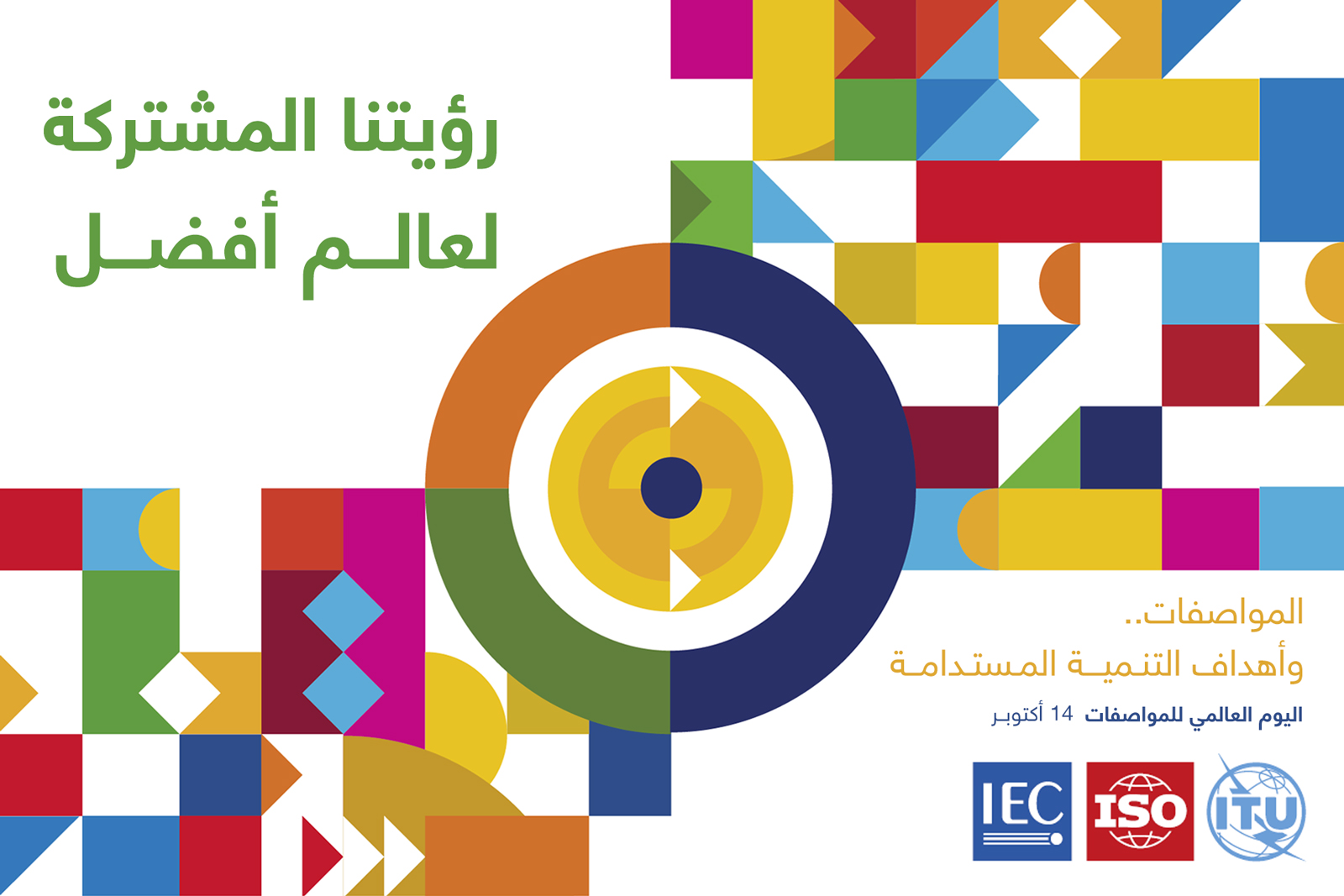
The GCC Standardization Organization (GSO) joins national standardization bodies and regional and international organizations in celebrating the 56th World Standards Day, observed annually on 14 October, in recognition of the efforts of experts and professionals involved in developing standards and highlighting their vital role in improving quality of life, enhancing the safety of products and services, and supporting sustainable development.
This year’s celebration focuses on Sustainable Development Goal 7 (SDG 7): Affordable and Clean Energy, under the theme “Our Shared Vision for a Better World.”
Standards are no longer merely technical requirements governing products and services. They have become a fundamental pillar for strengthening confidence in markets, protecting consumers, improving production efficiency, enhancing business competitiveness, and facilitating trade.
Standards also serve as an effective tool for addressing economic, environmental, and technological challenges by providing common technical references that support innovation, promote the efficient use of resources, and improve the quality of products and services.
Across GSO member states, standards play a particularly important role in advancing GCC economic integration, enhancing the competitiveness of national industries, facilitating the free flow of goods among member states, and improving access to global markets.
In this context, GSO, in cooperation with national standardization bodies in member states and its partners, continues its efforts to develop the GCC standardization system, harmonize standards and technical regulations, and strengthen conformity assessment activities. These efforts contribute to consumer protection, higher levels of quality and safety, and the achievement of development priorities across GCC countries.
In collaboration with national standardization bodies in member states, GSO works to develop and issue unified Gulf standards and technical regulations aligned with international practices. These efforts aim to support member states in developing their industrial and service sectors, facilitating trade among themselves and with international trading partners, protecting consumers, the environment, and public health, and promoting national industries and products to strengthen the GCC economy.
To date, GSO has issued more than 29,000 Gulf standards and technical regulations, reflecting its ongoing commitment to advancing standardization across the region.
On this occasion, we emphasize that building a more sustainable and prosperous future requires collective efforts and close cooperation among standardization bodies, government entities, the private sector, academic and scientific institutions, experts, and professionals.
Standards are the result of collective cooperation and serve as a powerful instrument for unifying efforts and transforming challenges into tangible economic and development opportunities.
In conclusion, I am pleased to extend my sincere congratulations and appreciation to the national standardization bodies of GSO member states, as well as to all professionals, experts, specialists, and partners working in the field of standardization. I highly value their dedication and contributions to advancing standardization at the GCC, regional, and international levels.
On this occasion, GSO reaffirms its commitment to continuing its collaboration with partners to strengthen the role of standards in promoting quality, safety, and sustainability, contributing to a more competitive GCC economy and building a better, more prosperous future for generations to come.